
 Translate
Preventing rodents and keeping them away
Find information on bait and trap for rodents, how to prevent entry into your home, and when to hire a professional.
Rodent traps and bait stations
If rodents have entered your home, shed, garage, vehicle, or other spaces, the best trap is the simple and cheap wooden "snap trap." They are sold in hardware stores. Snap traps for rats and mice are different sizes. When setting snap traps, it is important to bait the trap with food and place it near the droppings. Poisons are not recommended for rat control inside buildings, as poisoned rats can die in hard to reach places and cause a very bad smell.
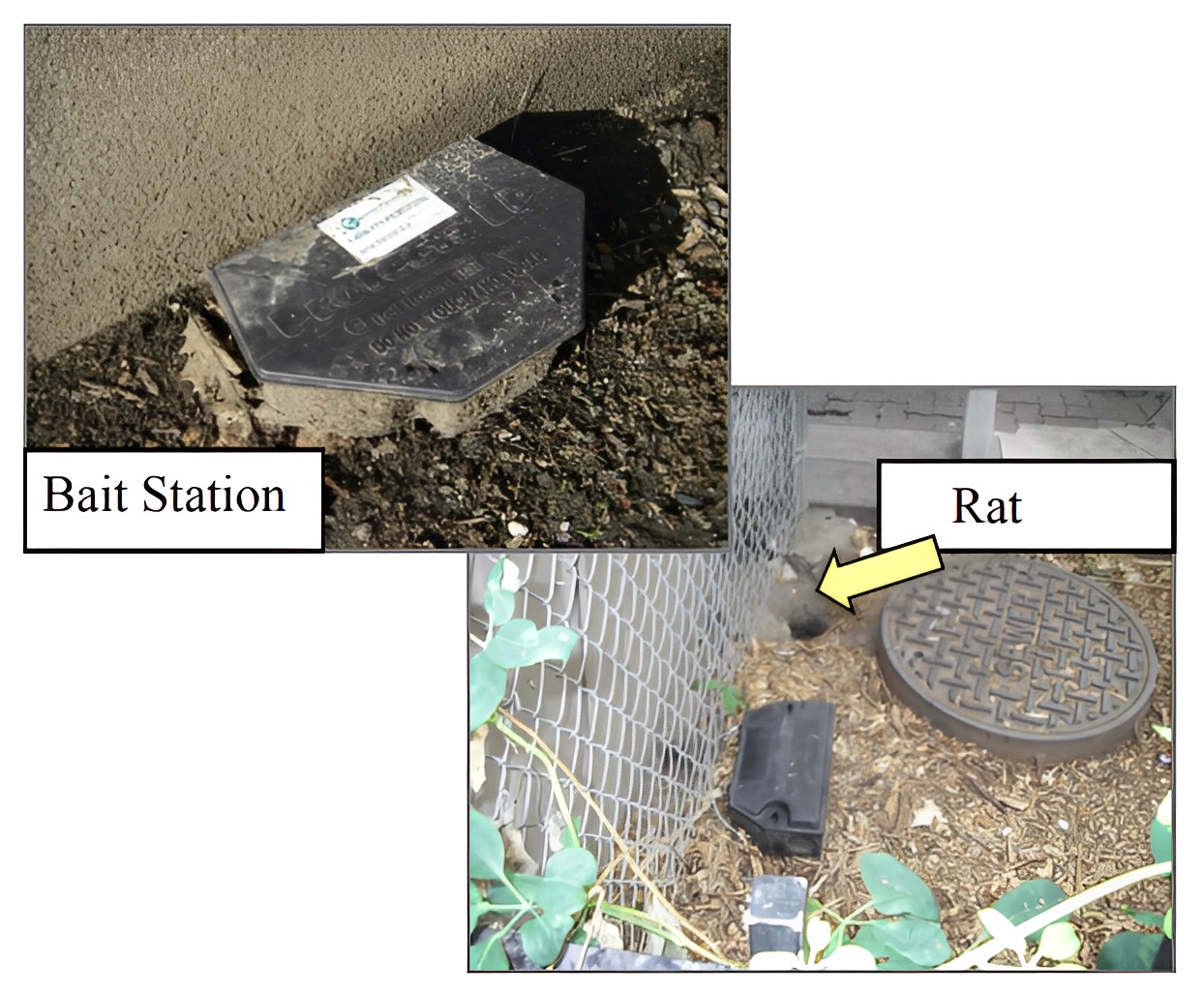
To control rats outside in areas along a building, fence, wood pile, etc. you may want to use bait stations. Always secure poison in bait stations so that it is not available to children, pets or wild animals. You must follow the instructions on the package label.
Dead rodents must be double bagged and placed in the garbage. Do not touch a dead rodent with your bare hands. Use gloves and wash your hands with soap and warm water after removing gloves. Note: Only dead rodents can be disposed of in the garbage.
How to use rodent traps and bait stations
How to effectively use rat traps and bait stations as well as tips for choosing a pest control operator and how to safely dispose of dead rats.
- Rodent control: How to use rodent traps and bait stations (916 KB)
- 如何使用滅鼠器和誘餌站 (繁體中文 / Chinese, Traditional, 1 MB)
- 설치류 트랩 및 미끼 스테이션 사용 방법 (한국어 / Korean, 738 KB)
- Как использовать ловушки для грызунов и приманки (Русский / Russian, 1.34 MB)
- Sida loo isticmaalo dabinada jiirka iyo saldhigyada sed (Af Soomaali / Somali, 972 KB)
- Cómo usar trampas para roedores y estaciones de cebo (Español / Spanish, 898 KB)
- Як користуватися пастками для гризунів і приманками (Українська / Ukrainian, 1.4 MB)
- Cách sử dụng bẫy chuột và trạm mồi (Tiếng Việt / Vietnamese, 1.1 MB)
Additional source: How to trap up to remove rodents, CDC
Keep rodents away
Don't give food and shelter to these most unwanted guests! The time to act is before you see signs of rodents, which may include droppings, nests, gnaw marks, or a dead rodent.
Sources of food that attract rodents include birdseed, pet food, fruits and berries on the ground, bread crumbs, food waste, grease (such as an outdoor grill), and garbage. If you feed them, they will stay.
Remove their food
- Bird feeders should be on poles and seed in trays that rats can't reach. If a squirrel can reach the bird feeder so can a rat.
- Keep garbage can lids closed tightly.
- Pick up fruits and vegetables in your yard.
- Do not leave your pet food outside.
- Keep all stored food in rodent-proof containers.
- Use only rodent-resistant composters, keep lids tight, and do not compost any animal products (fish, meat, chicken, cheese, butter).
- Pick up dog waste in your yard daily.
Remove their places to hide
Places where rats and rodents like to stay and seek shelter include firewood and wood piles, bushes, vines, tall grasses, and rockeries; unsecured buildings like garages, sheds, greenhouses, and barns; and vehicles, appliances, old furniture, and junk.
- Stack firewood 18 inches off the ground and away from all buildings.
- Move your wood pile at least twice a year.
- Plant bushes so they will stay at least 3 feet from your house.
- Keep bushes, vines, and tree branches cut back at least 3 feet from your house. Roof rats get into your house from tree branches that hang over the roof.
- Mow your lawn regularly.
- Keep yards and alleys clean—take junk to the dump!
Seal up to prevent entry of rodent and rats
Prevent rodents from entering your home by checking inside and outside the house for gaps or holes.
Finding a professional pest control company
Some rodent problems, such as heavy rodent infestations (piles of feces, numerous nests or dead rodents), may be too extensive to control on your own. For these situations Public Health recommends that you consult with a professional pest control company.
You can find pest control professionals online or in the phone book. Inquire about "integrated pest management" or "IPM" services. IPM methods often use less poison and use other techniques to control pests. Some crawl space/attic companies also offer pest control services. Interview companies and ask for references, including previous customers. When working with a professional pest control company, be clear about what you want done and check their performance.
Ask to see their license. All pest control companies should be licensed and registered with the Washington State Department of Agriculture (WSDA). Washington pesticide law requires most businesses that commercially apply pesticides to be licensed as a Commercial Applicator.
- Search for a WSDA Pesticide and Structural Pest Inspector license.
Additional rodent control videos
- Managing Rodents with Integrated Pest Management and New Technologies, U.S.Environmental Protection Agency
- The 10 Most Essential Items for Effective Rodent Control, The Center for Urban Agriculture
Public Health resources
- Guidance for preventing and removing rodents from restaurants (175 KB)
- Fact sheet about rats and mice (563 KB)
- How to Keep Rats Away from Your Home (713 KB)
- Bird Feeders and Rats: What You Need to Know (1.1 MB)
- Hantavirus downloads and resources
- King County Board of Health Code, Title 8, Chapter 8.06: Rodent Control (322 KB)
Brochure: Rats Unwanted: 4 Steps to Prevent and Control Rodent Infestations
You can help prevent rodent problems in your neighborhood. In King County, it is the responsibility of property owners to prevent conditions on their property that provide a home or food source for rats.
- Rats Unwanted: 4 Steps to Prevent and Control Rodent Infestations (1.2 MB)
- 四步防治鼠患 (繁體中文 / Chinese, Traditional, 1.3 MB)
- 설치류 침입을 예방하고 통제하기 위한 4단계 (한국어 / Korean, 948 KB)
- Четыре шага для предотвращения заражения грызунами и борьбы с ними (Русский / Russian, 1.1 MB)
- Afar Tilaabo Oo Lagaga Hortagayo laguna Xakameenayo Caabuqa Jiirka (Af Soomaali / Somali, 1.2 MB)
- Cuatro pasos para prevenir y controlar las infestaciones de roedores (Español / Spanish, 1.13 MB)
- Чотири кроки для запобігання та боротьби з інвазіями гризунів (Українська / Ukrainian, 1.2 MB)
- Bốn bước để ngăn ngừa và kiểm soát sự phá hoại của loài gặm nhấm (Tiếng Việt / Vietnamese, 1.2 MB)
External resources
- Guidance for cleaning up after rodents, CDC
- Controlling Wild Rodent Infestations, CDC
- Rodent control after a disaster, CDC
- Rodent control and doors, Pest Control Technology
- Rodent control and dumpsters, Pest Control Technology
- Living with Wildlife - Old World Rats, WA State Dept. of Fish & Wildlife
- Biting mites, Alameda County, CA