
 Translate
Public Health Policy: Building Resilient Communities
Short URL: kingcounty.gov/health/policies
Policies and investments that support our health make our communities stronger. Healthy workers grow our economy. When we build healthy housing, asthma rates drop and kids miss fewer days of school. When neighborhoods are safe, families can spend more time outside together. Over time, what starts as a health policy becomes economic growth and community pride.
Public health funding: Ensuring public health is here for you
When we invest in public health, everyone benefits. For instance, when there is less gun violence in our neighborhoods, people can walk and spend more time outdoors together. This helps people stay healthier, which means fewer medical bills. Local businesses can flourish, boosting the local economy. Kids can get to school safely. What starts as a public health initiative becomes a community benefit.
That's why we advocate for investing in public health at the local, state and national levels. Key sources of funding include King County Council, Washington State’s Foundational Public Health Services dollars, and federal grants.

Collaboration in policy
Alongside our partners, we advocate for policies that improve health. We believe the people closest to the problem should be at the forefront of policy solutions. That’s why our approach to policy making begins with listening to our community. Through innovative programs and collaborations, we design policies that respond to community needs and are informed by local data.
Recent initiatives
Climate and health
We worked with the City of Auburn and 15 community members to explore the factors that contribute to risk of heat-related illness in Auburn. The community members recommended policy and program solutions, including community education on heat risk, increased access to health care, expand green space, and lifesaving direct support like cooling kits for unsheltered people and energy assistance programs. Because this process was embedded within both the City of Auburn and King County, we can work together toward faster implementation of these community-determined solutions.
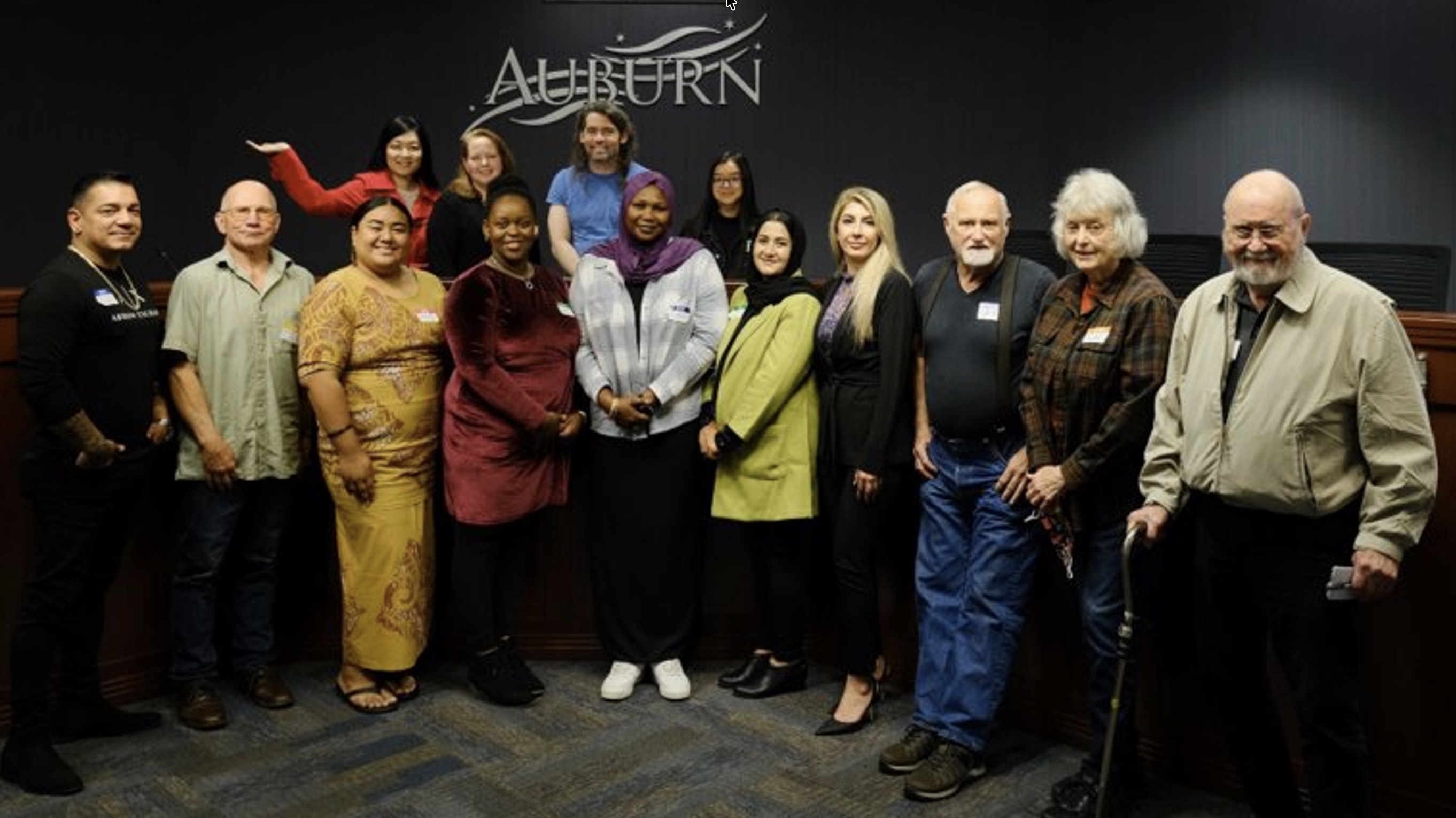
⬆ Climate and Health Adaptation Modeling Project participants. (Photo credit: Addison Houstin)
Health of people experiencing homelessness
Informed by our Healthcare for the Homeless Community Advisory group, we wrote an article to outline policies that cities can make to improve access to toilets and handwashing resulting in clean, safe public bathrooms that are accessible to everyone. These recommendations were used in the development of public restrooms for our community at transit centers in Burien and Northgate.
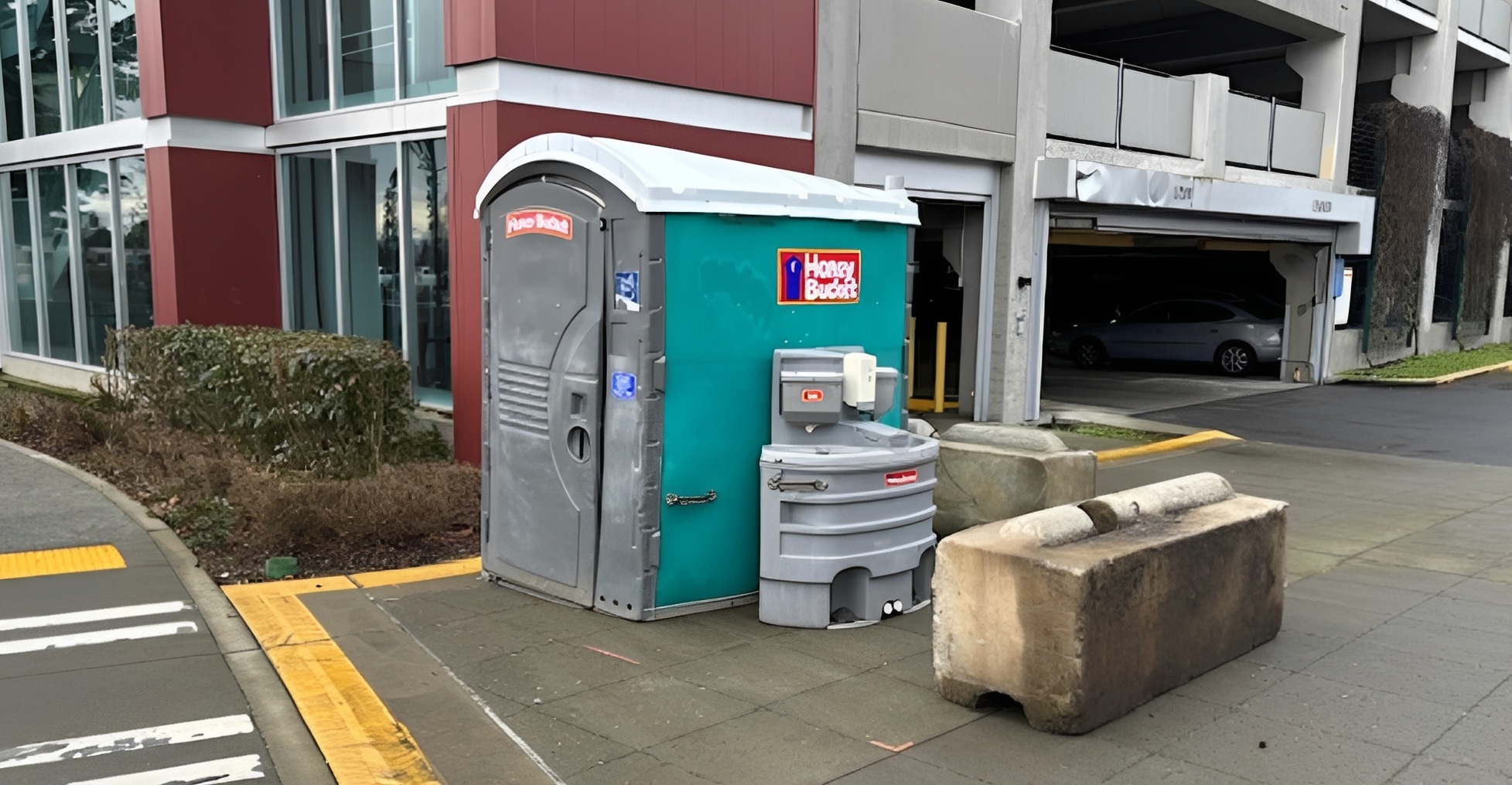
⬆ Restroom at a transit center in Burien. (Photo credit: Sarah Margeson)
Gun violence prevention
In collaboration with community partners, we developed a legislative agenda and budget priorities to reflect proven strategies to prevent gun violence. These priorities were included in the 100 Days of Action Report - an intensive initiative to reduce gun violence in King County. Alongside our partners, we successfully advocated for a new enhanced permitting law for firearms in Washington state, which passed in 2025.
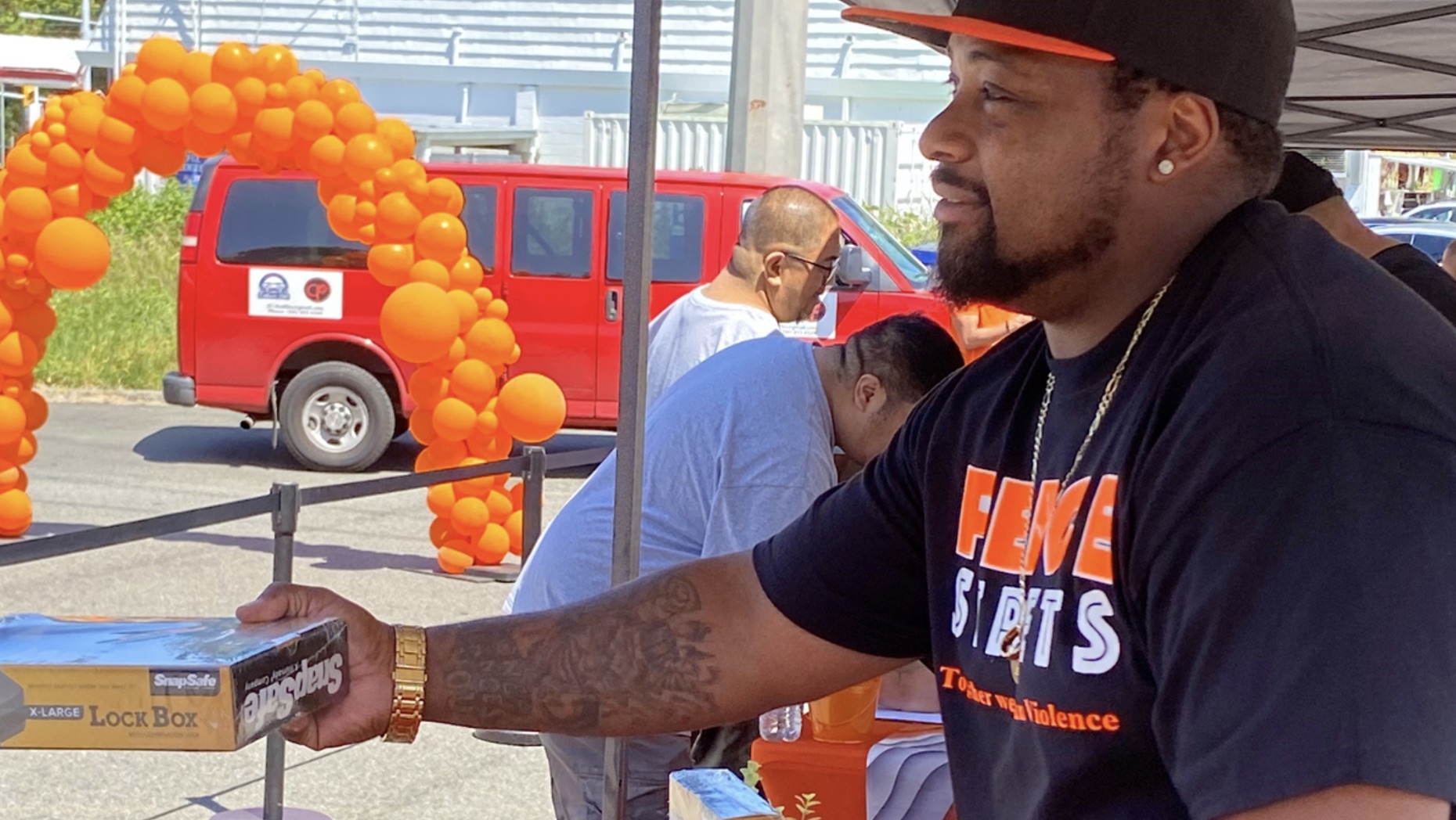
⬆ Gunlock box giveaway event as part of the 100 Days of Action against gun violence. (Photo credit: Ariana Donaville, Regional Office of Gun Violence Prevention)
Overdose prevention and wellbeing for people who use drugs
We gathered with partner organizations across Washington State, like the ACLU, Just Access to Health, and Voices of Community Activists and Leaders (VOCAL WA), to envision a community-based response to drug use. Together we developed a roadmap to achieving expanded behavioral health services, including increasing state investments in outreach, housing and medications for opioid use disorders.
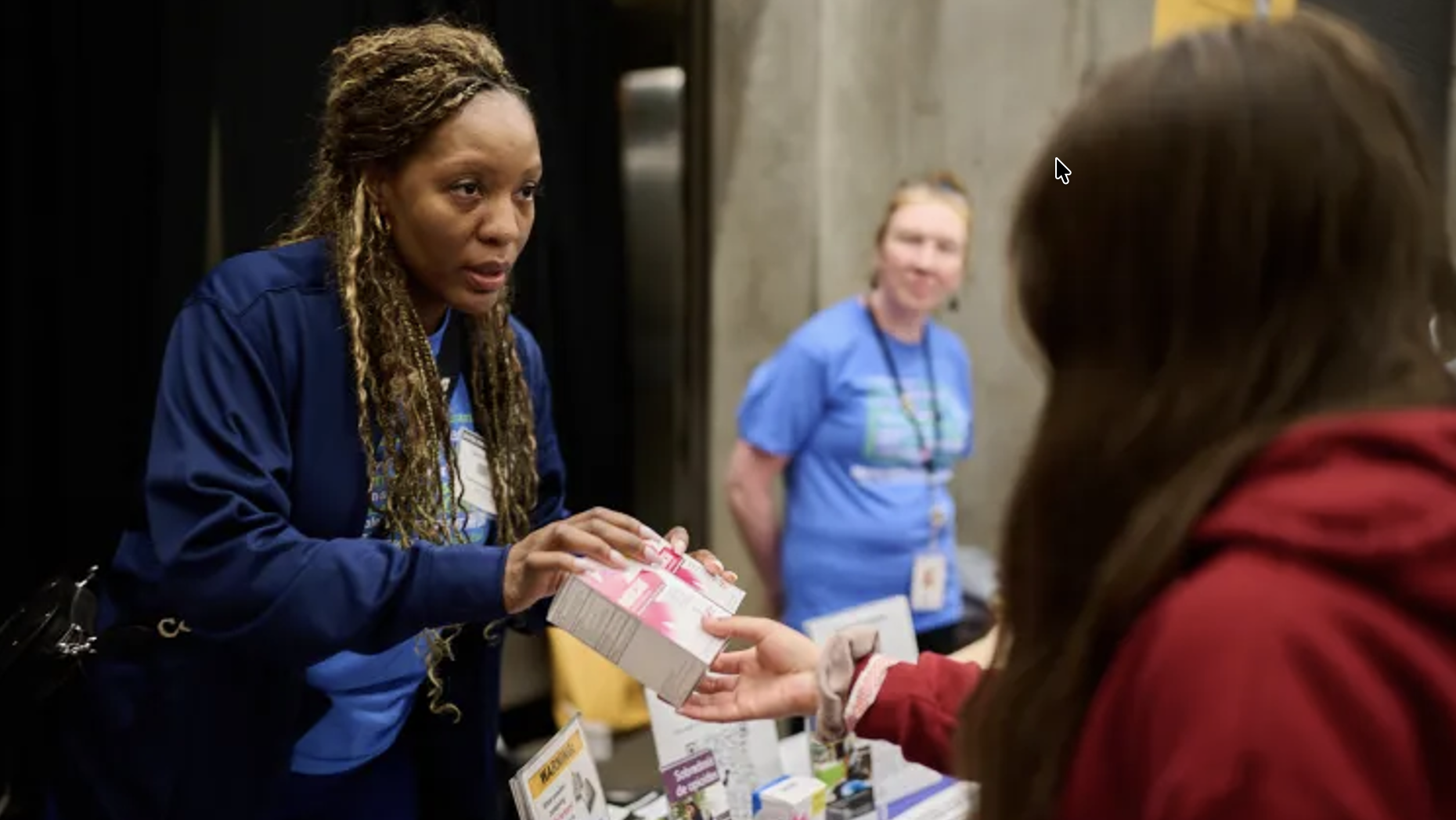
⬆ A Public Health staff member distributes naloxone at the Seattle-King County Clinic, April 24, 2025. (Photo credit: Auston James)
Community wellbeing
We collaborated with our Community Navigators to develop policy priorities for community wellbeing. Community Navigators are trusted leaders representing and serving over 30 different communities throughout King County. As a result of this process, we identified four policy priority areas to address racism’s impact on health: better food access, neighborhood risk factors impacting young people, healthcare access, and improving demographic data. We use this input to guide our other policy initiatives.
For example, we teamed up with a group of community leaders to better understand barriers to food access in King County and policy options to address these barriers. Together we developed policy recommendations including expanding access to fruit and vegetable subsidies and supporting grocery stores in areas where they are scarce. We continue to work with partners to advocate for these policies at the county and state levels.
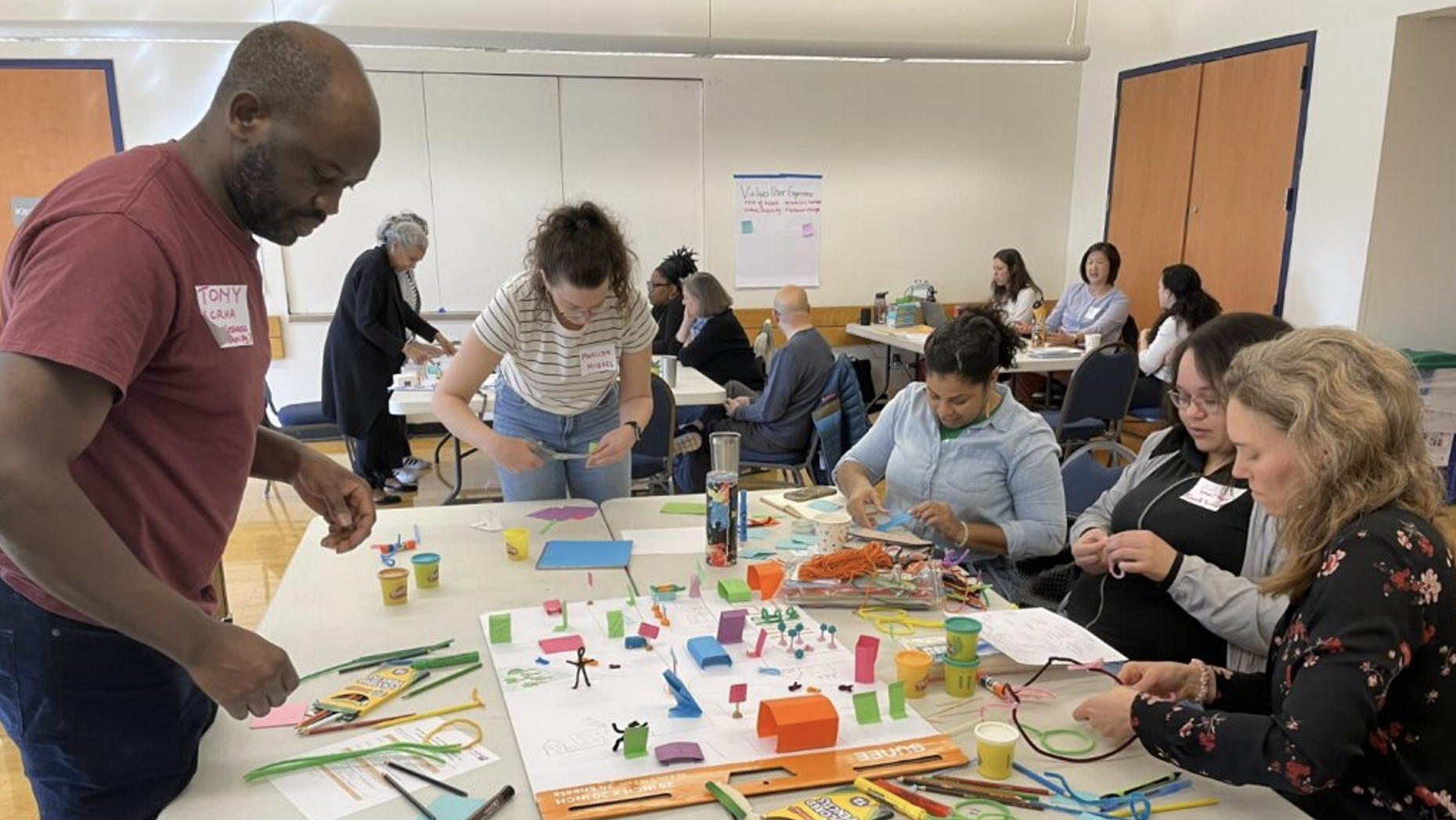
⬆ Community navigators participating in policy co-design work. (Photo credit: Francesca Holme)
We also collaborated with community and youth leaders over several months to create policy recommendations in support of youth mental health. These recommendations, including establishing a youth and family council, leveraging existing school-based infrastructure to expand youth mental health services, and more will be implemented as part of King County's Youth Action Plan.